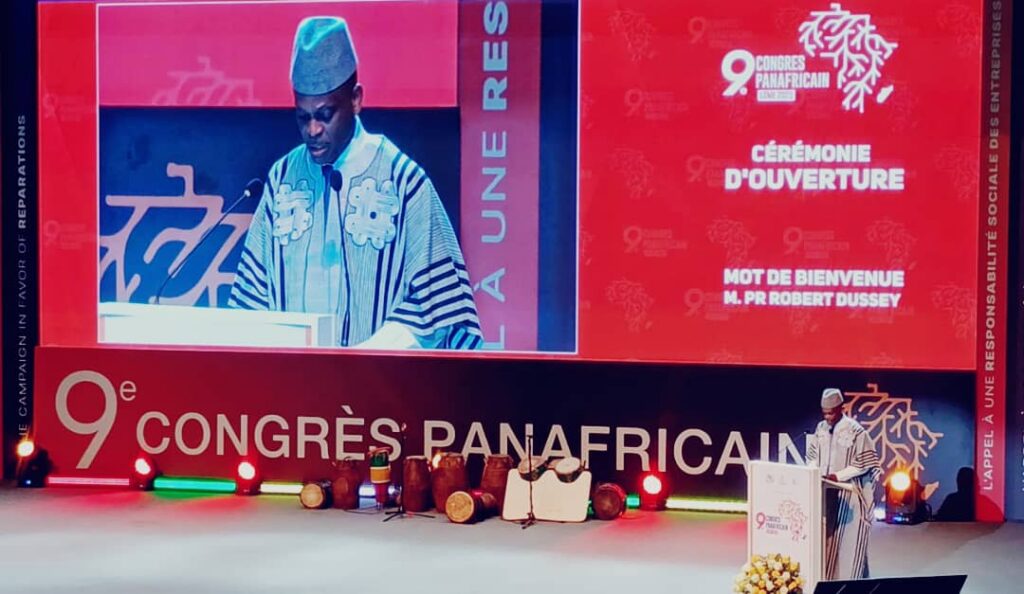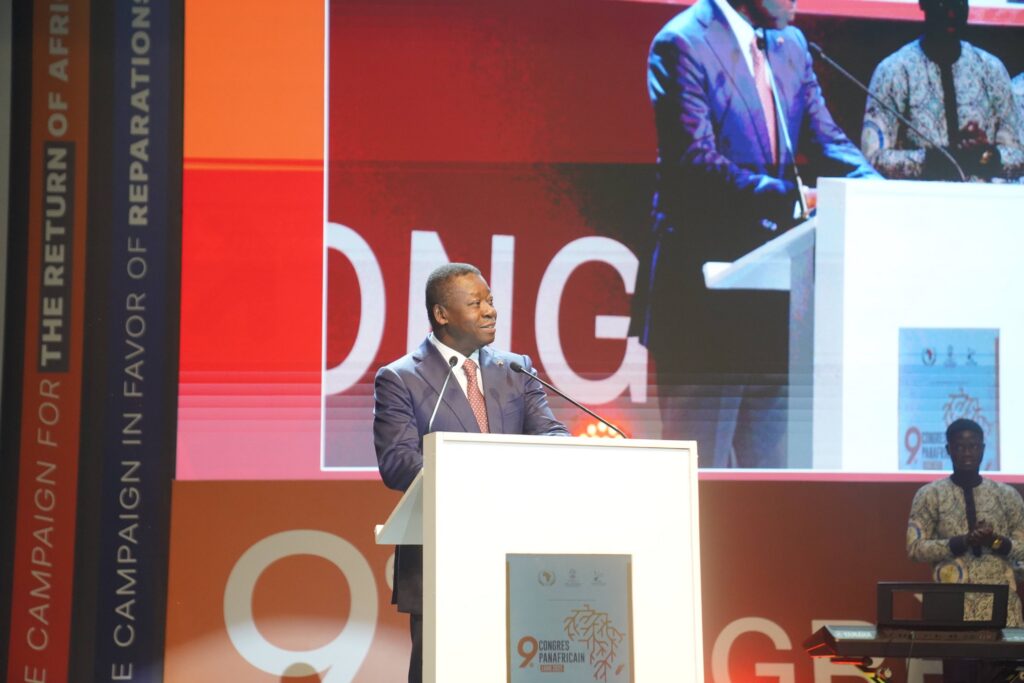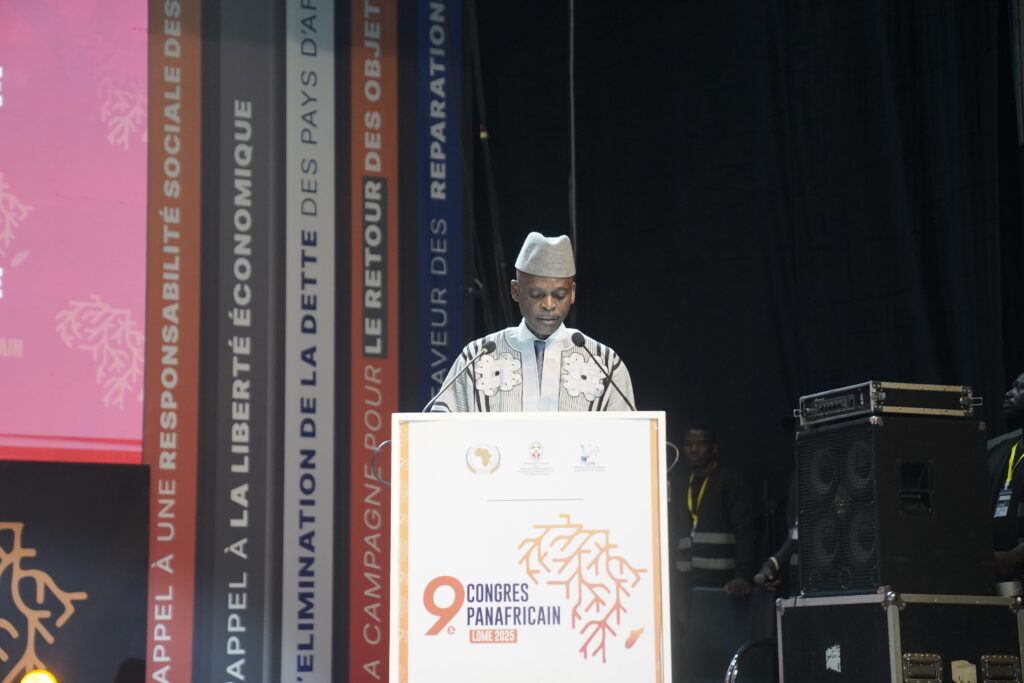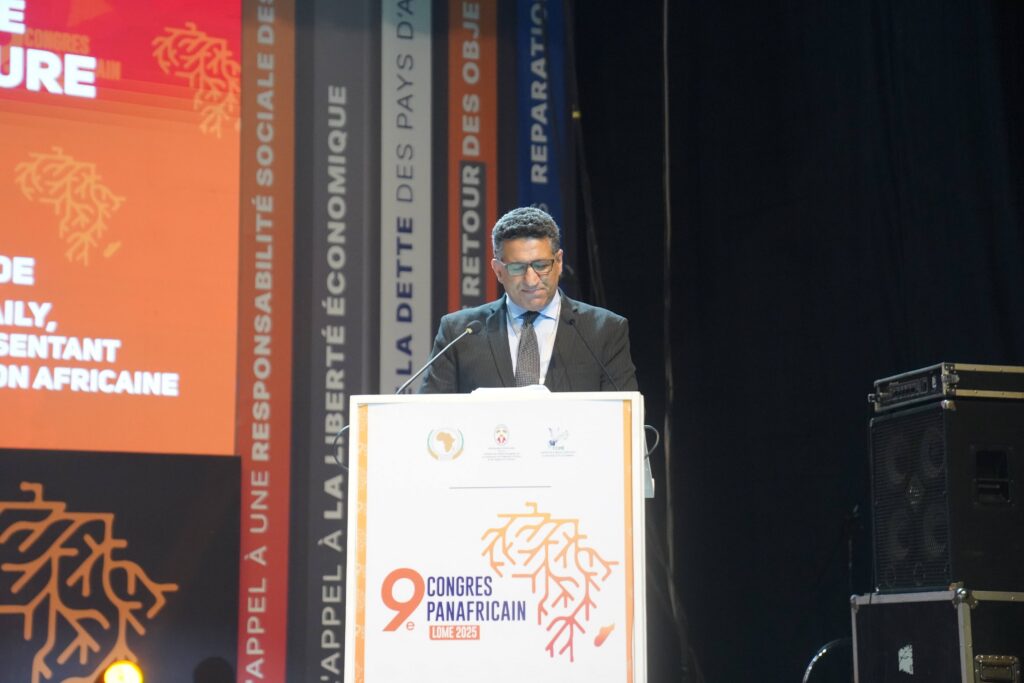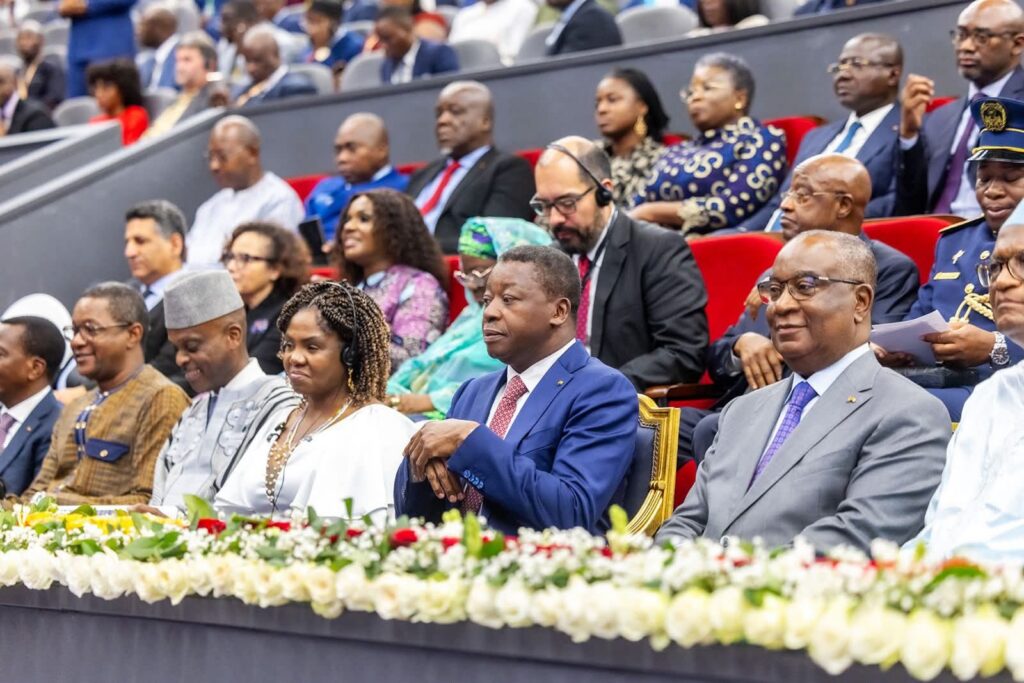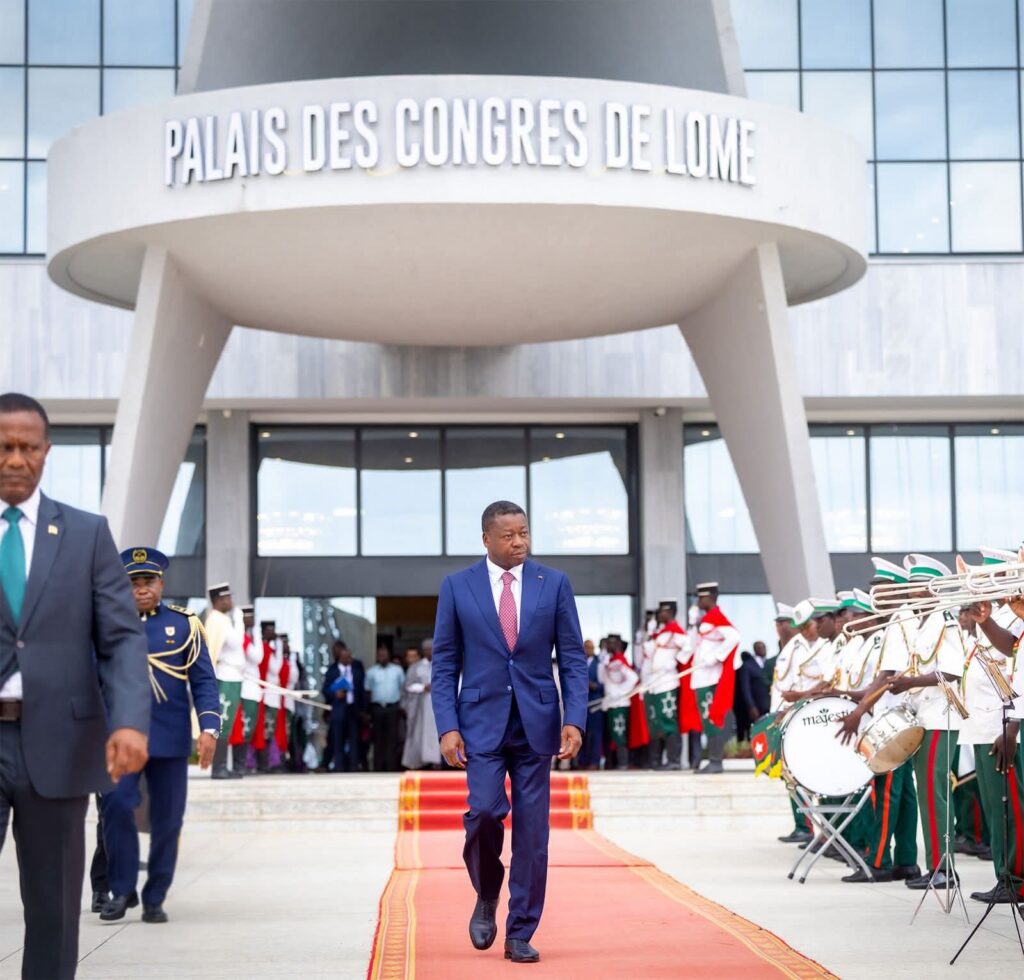
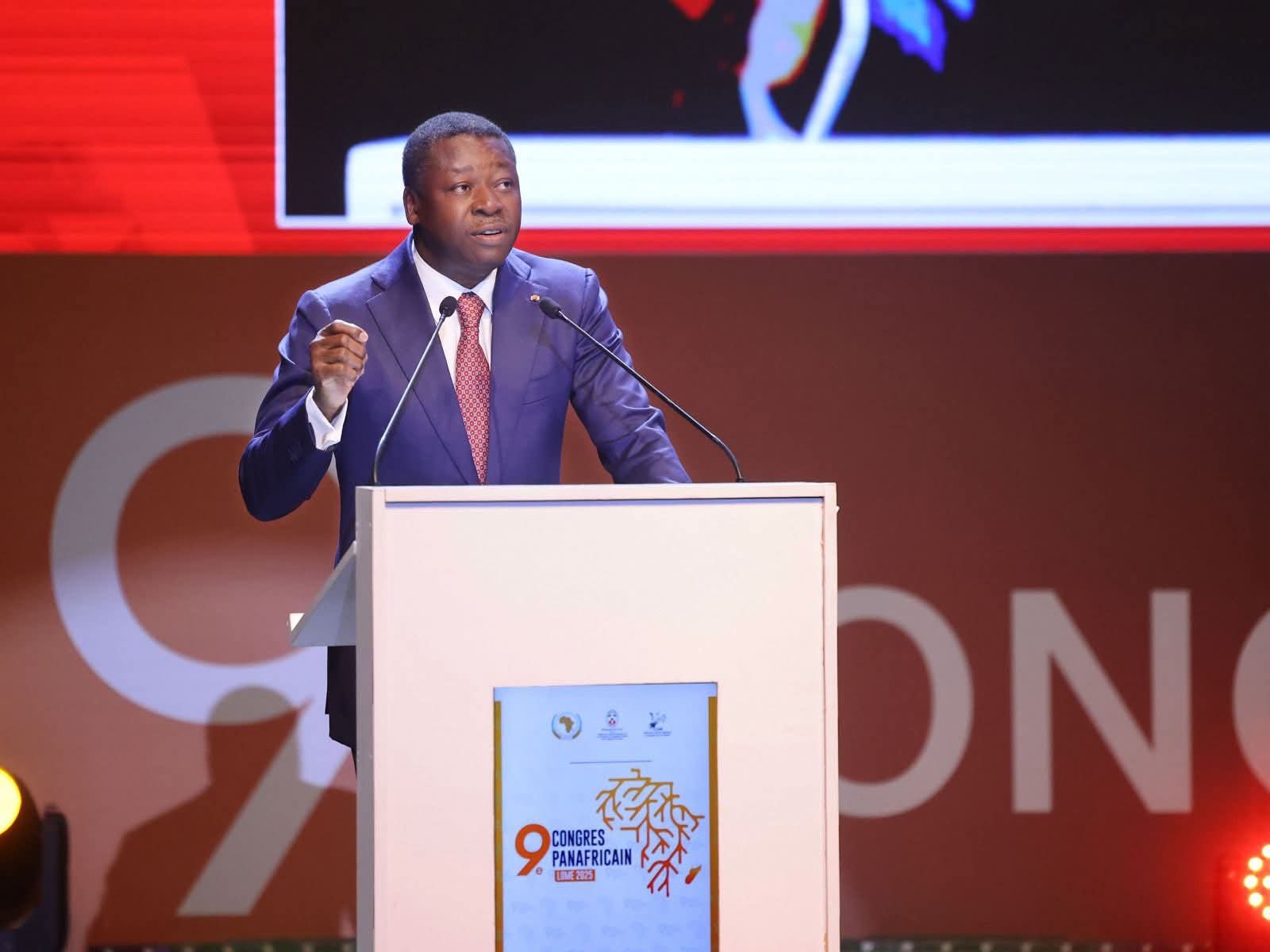
The tone was solemn, the ambition clear. Opening the 9th Pan-African Congress in Lomé on Monday, Council President Faure Gnassingbé delivered a powerful speech, resonating with history and the future.
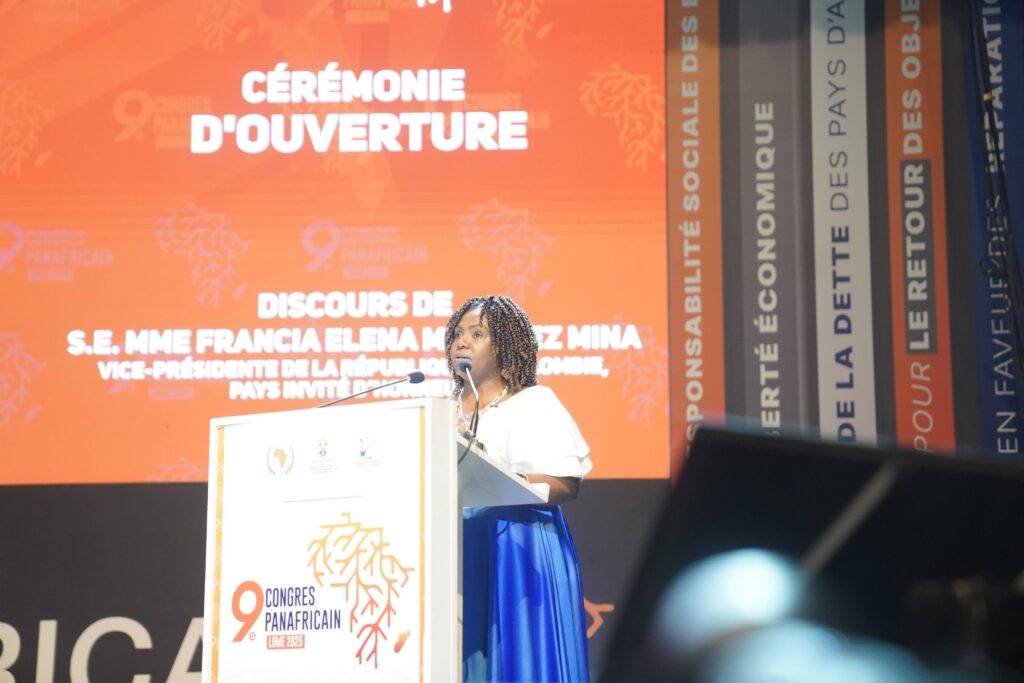
The 9th Pan-African Congress opened on Monday in Lomé in the presence of Francia Elena Márquez, Vice-President of Colombia.
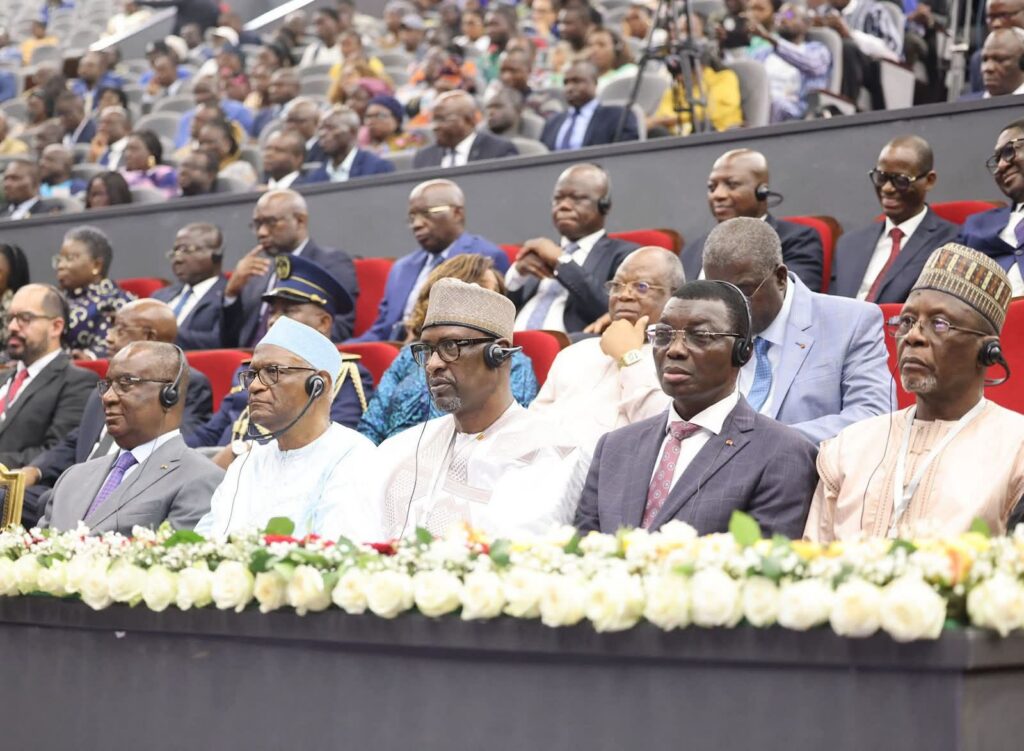
Organised in partnership with the African Union, the event brings together officials from across the continent, as well as representatives of diasporas and communities of African descent.
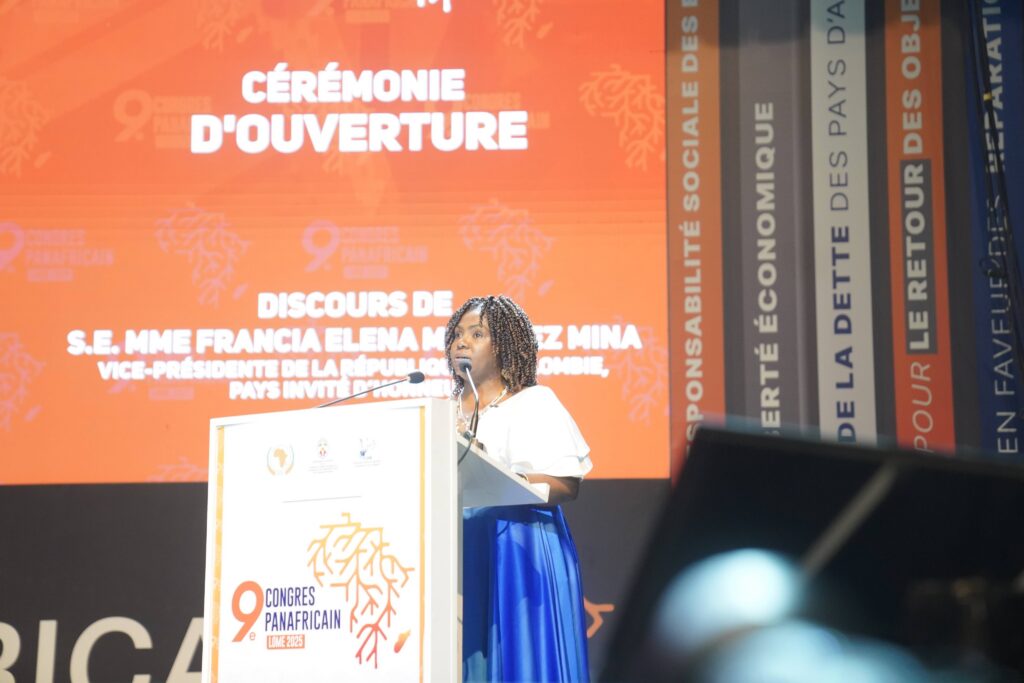
The meeting is intended to be a key moment in the renewal of Pan-Africanism.
The Pan-African Congress has historically been a forum for debate, ideas and political mobilisation for Africans and people of African descent. Since the first congress was held in London in 1900, these meetings have helped to bring together intellectuals, political leaders and activists who have fought for the independence, unity and dignity of African peoples.
The 9th Congress is part of this same mission: to reflect on the current challenges facing Africa, strengthen ties between the continent and its diasporas, and promote a common vision of development, integration and sovereignty.
At the heart of the discussions will be a major question: what place does Africa have in global governance?
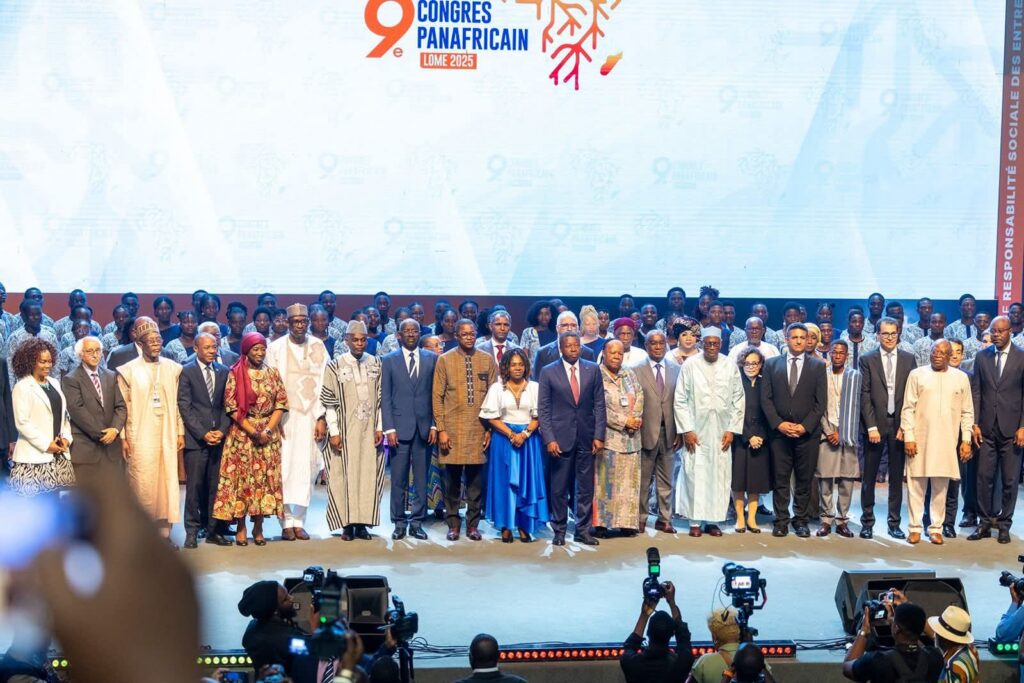
As international organisations – the UN, IMF, World Bank and WTO – evolve and face criticism for their lack of inclusivity, Africa wants to have a greater say in defining global rules.
The Congress will examine, in particular, the need for a permanent African seat on the UN Security Council, the continent’s representation in international financial institutions, and the revision of multilateral mechanisms deemed unfavourable to African economies.
This year’s event in Togo comes at a time of renewed interest in pan-Africanism.
Common challenges – security, industrialisation, migration, climate, governance, digital transformation – require concerted solutions and stronger African leadership.